Estate Planning Attorneys in Pennsylvania
A well-constructed estate plan is one of the most important things you can do for the people you care about. It determines who inherits your assets, who speaks for you if you cannot, how your business carries on, and how much of your estate is preserved rather than lost to taxes or administrative costs. Without a plan, those decisions are made by state law and court process, rarely in the way a family would have chosen.
CGA Law Firm is recognized as one of the largest and most comprehensive estate law groups in Central Pennsylvania. Our estate planning attorneys serve individuals, families, and business owners across York, Harrisburg, Hanover, Lancaster, and communities throughout the state, providing counsel on everything from foundational wills and powers of attorney to complex trust structures, tax planning, and business succession.
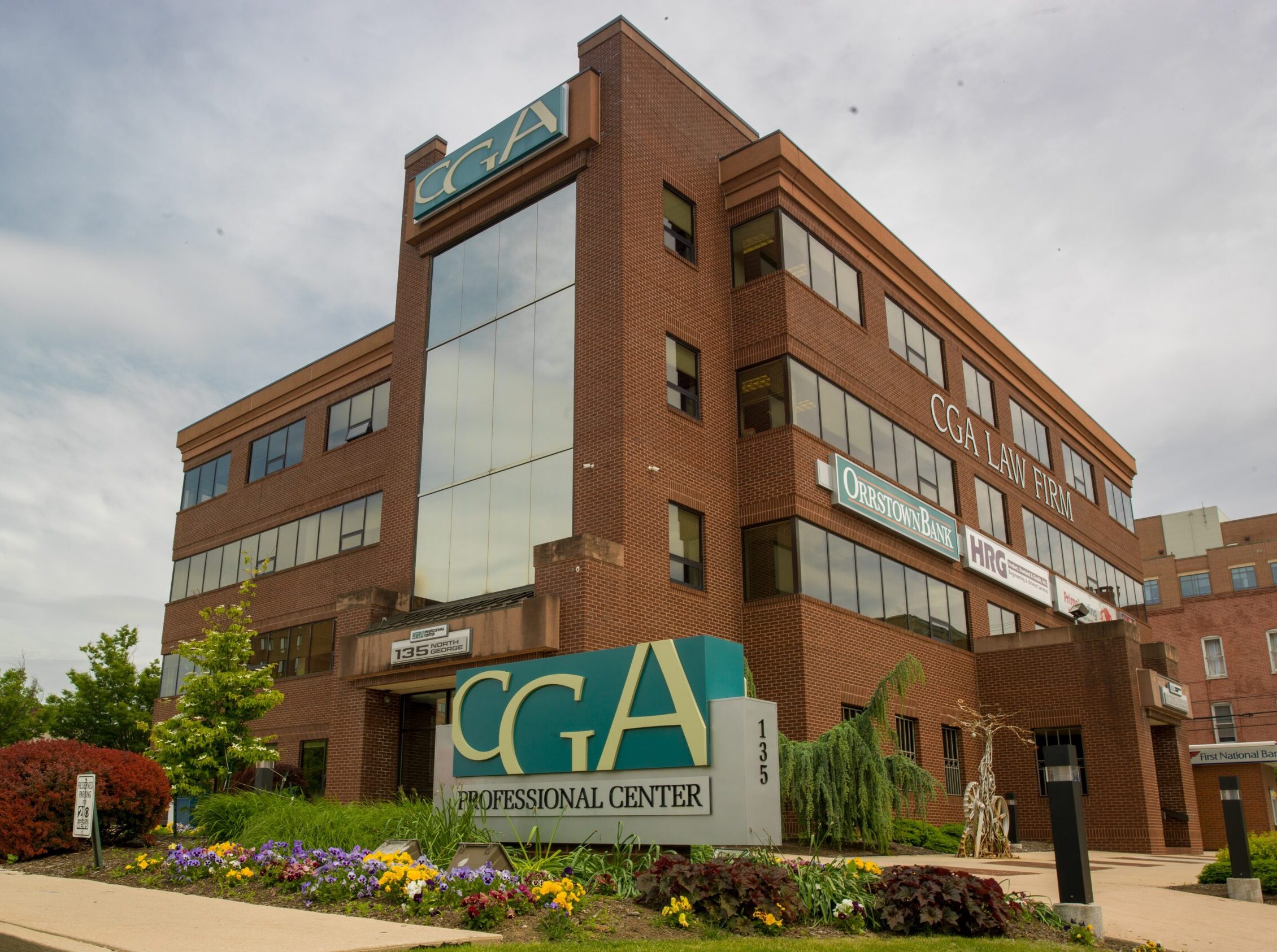
Protecting your wealth and legacy
An Experienced Team of Estate Planning Attorneys
What Our Estate Planning Attorneys Do
Estate planning is not a single document or a one-time transaction. It is an ongoing legal framework that reflects your wishes, protects your assets, and adapts as your life and the law change. Our attorneys bring experience across the full range of estate planning services, including:
Members of our CGA estate planning team hold advanced degrees in tax law (LL.M. in Taxation) and certifications in estate planning and pension law taxation. The firm also holds representation on the York County Estate Planning Council and the York County Community Foundation, and our attorneys regularly present educational seminars on estate planning and estate tax topics for local organizations and professional groups.
Wills and Trusts
A valid, properly drafted will is the foundation of any estate plan. It directs how your assets are distributed, names guardians for minor children, and designates a personal representative to administer your estate. Without one, Pennsylvania’s intestacy laws determine who receives your property, which may not reflect your intentions.
Trusts offer capabilities that wills alone cannot provide. Depending on your goals, a trust can help your estate avoid the time and expense of probate, protect assets for minor or disabled beneficiaries, minimize estate and inheritance taxes, provide for a surviving spouse while preserving assets for children from a prior relationship, and carry out charitable objectives. Our attorneys advise clients on the full spectrum of trust structures, including:
- Revocable Living Trusts: Allow you to maintain control of your assets during your lifetime while providing for efficient transfer at death, without probate.
- Irrevocable Trusts: Used for asset protection, Medicaid planning, and tax reduction strategies. Once established, they remove assets from your taxable estate.
- Special Needs Trusts: Provide for a beneficiary with a disability without disqualifying them from government benefits such as Medicaid or SSI.
- Charitable Trusts: Including charitable remainder trusts and charitable lead trusts, which allow clients to support charitable causes while achieving income or estate tax benefits.
- Dynasty Trusts and Other Advanced Structures: For clients with significant assets or multi-generational planning goals.
Our wills and trusts attorneys work closely with clients to identify the right combination of documents for their situation. You can learn more on our Wills and Trusts page.
“While not something that is often thought about….Jeff and CGA helped us to pre-plan should the unexpected occur. He walked us through the various documents required to ensure that our wishes are realized. I would highly recommend Jeff and CGA.”
– Mike R., Google Review
Powers of Attorney
A power of attorney authorizes a trusted person to act on your behalf. In the estate planning context, these documents are critical protections against incapacity. If you become unable to manage your affairs and no power of attorney is in place, your family may have no legal authority to help without going through a court guardianship proceeding.
Pennsylvania law presumes powers of attorney to be durable, meaning they remain effective even after the principal becomes incapacitated. Our attorneys draft two primary types:
- Durable Financial Power of Attorney: Authorizes your agent to manage finances, including banking, real estate, investments, tax filings, and Medicaid applications.
- Healthcare Power of Attorney: Authorizes your agent to make medical decisions on your behalf. Often prepared alongside a living will, which documents your wishes regarding life-sustaining treatment.
These documents must be executed with proper formalities to be enforceable. We ensure that powers of attorney are drafted to reflect your specific intentions and comply with current Pennsylvania law. You can learn more on our Powers of Attorney page.
Estate and Gift Tax Planning
Effective tax planning is one of the most technically demanding aspects of estate law, and one of the areas where experienced legal counsel delivers the most measurable value. Pennsylvania imposes an inheritance tax on assets passing to most beneficiaries, with rates varying based on the relationship between the decedent and beneficiary. The federal estate tax applies to taxable estates above the applicable exemption amount, which is subject to change as federal legislation evolves.
Our estate planning attorneys, several of whom hold advanced degrees in tax law, advise clients on strategies to reduce the tax burden on their estates and beneficiaries, including:
- Annual gifting programs to reduce the taxable estate over time
- Irrevocable life insurance trusts (ILITs) to keep life insurance proceeds out of the taxable estate
- Grantor retained annuity trusts (GRATs) and other split-interest arrangements
- Family limited partnerships and limited liability companies for wealth transfer
- Charitable giving strategies, including donor-advised funds and charitable remainder trusts
- Coordinated federal estate and Pennsylvania inheritance tax planning
Tax law changes frequently, and estate plans that were optimal when drafted can become less effective over time. Our attorneys review plans with clients on an ongoing basis and advise on adjustments when the law or a client’s circumstances change.

Business Succession Planning
For business owners, an estate plan must address more than personal assets. What happens to the business when you retire, become incapacitated, or pass away? Without a clear succession plan, a family business can face significant disruption, disputes among co-owners or heirs, forced sales, or unnecessary tax exposure.
CGA Law Firm’s estate planning and business attorneys work together to counsel business owners on:
- Buy-Sell Agreements: Contractual arrangements that establish how ownership interests are transferred when a triggering event occurs, such as death, disability, or retirement.
- Family Limited Partnerships and Family LLCs: Structures that allow business owners to transfer interests to family members in a tax-efficient manner while retaining control during their lifetime.
- Succession to the Next Generation: Coordinating the transfer of business ownership with estate planning documents, gift strategies, and family dynamics.
- Sale or Third-Party Transfer: Advising on the legal and tax implications of selling the business as part of a retirement or estate plan.
Our team coordinates across estate planning, business law, and tax to give business owner clients a complete picture of their options and a plan that serves both their business and personal goals.
Elder Law and Medicaid Planning
For many families, the most urgent estate planning concern is not what happens after death but what happens if a parent or spouse needs long-term care. Nursing home costs in Pennsylvania can exceed $12,000 per month, and without planning, those expenses can quickly erode a lifetime of savings. Medicaid can cover nursing home costs for eligible individuals, but qualifying requires meeting strict asset and income limits, and Pennsylvania enforces a five-year look-back period on asset transfers.
Our elder law attorneys work with individuals and families to plan proactively for long-term care, including Medicaid planning strategies, irrevocable Medicaid asset protection trusts, spousal protection planning, and crisis planning for families already facing an immediate care need. Elder law and estate planning are deeply interconnected disciplines at CGA, and our teams collaborate closely to ensure clients receive coordinated advice.

Guardianship and Incapacity Planning
When a family member has lost the capacity to manage their own affairs and no advance planning documents are in place, a court guardianship proceeding becomes the legal path forward. Our guardianship attorneys assist families with incapacity proceedings in Pennsylvania’s Orphans’ Court, as well as with alternatives to guardianship such as supported decision-making agreements and representative payee arrangements.
The best way to avoid guardianship is proper advance planning: durable powers of attorney, healthcare directives, and a current estate plan that reflects your wishes. If guardianship proceedings are already necessary, our team is experienced in guiding families through the process. You can learn more on our Guardianship and Incapacity page.
“Attorney Jeffrey Rehmeyer is an efficient, patient and reliable attorney. He helped us with Estate Planning and his explanations were complete and helped us understand why we needed to take care of this matter.”
– Barbara V., Google Review
Estate Administration
When a family member passes away, the practical and legal work of administering their estate begins. Our estate administration attorneys assist executors and personal representatives through every step of the process, including:
- Filing the will for probate in Pennsylvania’s Register of Wills
- Notifying beneficiaries and creditors
- Inventorying and appraising estate assets
- Preparing and filing Pennsylvania inheritance tax returns and federal estate tax returns where applicable
- Distributing assets to beneficiaries in accordance with the will or Pennsylvania intestacy law
- Administering trusts on an ongoing basis after the estate is settled
Estate administration can be straightforward or complex, depending on the size of the estate, the nature of the assets, family relationships, and whether any disputes arise. Our attorneys also assist in contested estate matters and litigation when needed.

Frequently Asked Questions About Estate Planning in Pennsylvania
Do I need an estate plan if I don’t have significant assets?
Yes. Estate planning is not only about distributing wealth. It also determines who makes decisions for you if you become incapacitated, who cares for your minor children if you are unable to, and how your personal property and accounts are handled. Even a straightforward estate benefits from a will, a durable power of attorney, and healthcare directives.
How often should I update my estate plan?
Major life events typically call for a review, including marriage, divorce, the birth of a child or grandchild, the death of a beneficiary or named agent, a significant change in assets, a move to a different state, or a change in tax law. Even without a triggering event, a review every three to five years is generally advisable to ensure documents reflect current law and intentions.
What is Pennsylvania’s inheritance tax?
Pennsylvania imposes an inheritance tax on assets transferred to most beneficiaries at death. The rate depends on the relationship:
- Transfers to a surviving spouse or child under age 21 are taxed at 0%
- Transfers to adult children and grandchildren at 4.5%
- Transfers to siblings at 12%
- Transfers to all other beneficiaries at 15%
Property transferred to charitable organizations is exempt. Planning strategies can reduce inheritance tax potential, and our attorneys advise clients on those options as part of the overall estate plan.
What happens if I die without a will in Pennsylvania?
Pennsylvania’s intestacy statute determines how your assets are distributed. The result may not match your wishes. For example, if you are married with children from a prior relationship, your spouse and children share your estate under the intestacy rules rather than your spouse receiving everything. A will allows you to direct distribution according to your own intentions.
How does estate planning differ for business owners?
Business owners have an additional layer of complexity: the business itself must be addressed as an asset, and questions of control, continuity, and transfer need to be resolved. An estate plan for a business owner typically includes a buy-sell agreement, succession planning, and coordination between personal and business tax structures. Our attorneys work across estate planning and business law to provide integrated counsel.
Estate Planning Attorneys Serving Clients Throughout Pennsylvania
CGA Law Firm’s estate planning practice serves clients in York, Harrisburg, Hanover, Lancaster, and communities across Central Pennsylvania and the state. Our team includes attorneys with advanced degrees in tax law and certifications in estate planning and pension law, and we collaborate closely with business attorneys, elder law attorneys, and our clients’ own financial advisors and accountants to provide comprehensive, coordinated advice.
Whether you are putting foundational documents in place for the first time, updating a plan that has not been reviewed in years, navigating a complex trust or tax situation, or planning the future of a family business, our estate planning team is prepared to help.
To schedule a consultation with a Pennsylvania estate planning attorney, contact CGA Law Firm online or call (717) 848-4900.
Contact Us
Sign Up for Our Newsletter
Stay up to date!
Subscribe to the CGA Newsletter, select your favorite topic (or just choose all of them!), and never miss an update from CGA Law.